
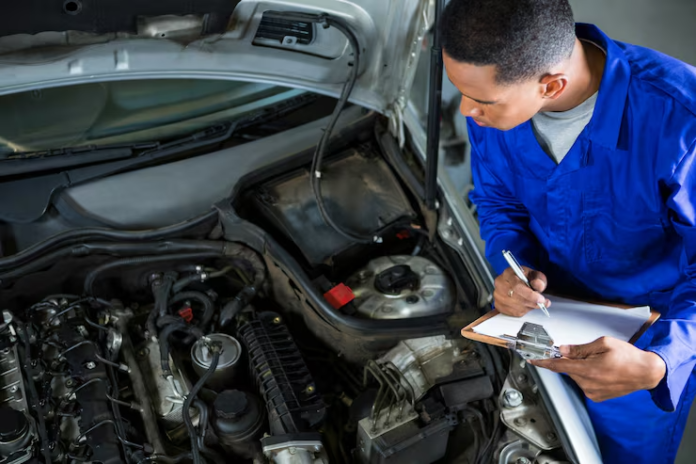

Modern vehicles rely heavily on advanced transmission systems to deliver smooth performance, fuel efficiency, and driving comfort. Automatic transmissions have become the preferred choice for many drivers because they simplify driving while optimizing power delivery. However, these complex systems also require proper maintenance and timely repairs when problems appear.
For drivers in large urban areas, maintaining transmission health is particularly important due to heavy traffic, frequent stopping, and varied driving conditions. Understanding how automatic transmissions work and when to seek professional help can prevent expensive damage and extend the lifespan of a vehicle.

Why Automatic Transmissions Require Specialized Attention
Automatic transmissions are highly sophisticated systems consisting of hydraulic circuits, electronic control units, sensors, and precision mechanical components. These elements must work together perfectly to shift gears smoothly and efficiently.
The Complexity Behind Modern Gearboxes
Unlike traditional manual transmissions, automatic gearboxes rely on a combination of software and mechanical engineering. Sensors monitor engine speed, load, and driving conditions while the transmission control module determines the optimal gear.
Because of this complexity, diagnosing transmission issues requires advanced diagnostic tools and experienced technicians. Even minor irregularities in shifting behavior can indicate underlying mechanical or electronic problems.
Common Signs of Transmission Problems
Drivers often notice early warning signs before a serious transmission failure occurs. Recognizing these symptoms early can reduce repair costs and prevent major mechanical damage.
Some common indicators include:
- Delayed or rough gear shifts
- Unusual noises when accelerating
- Transmission slipping between gears
- Warning lights appearing on the dashboard
- Fluid leaks beneath the vehicle
When any of these signs appear, professional inspection becomes essential. Specialized workshops that focus on automatikgetriebe reparatur wien typically have the expertise and equipment needed to diagnose these issues accurately.
Understanding DSG Getriebe Technology
Dual-clutch transmissions have become increasingly popular in modern vehicles. Known as dsg getriebe, these systems combine the efficiency of manual transmissions with the convenience of automatic shifting.
How Dual-Clutch Systems Work
A DSG transmission uses two separate clutches to manage gear changes. One clutch handles odd-numbered gears, while the other manages even-numbered gears. This design allows the next gear to be pre-selected before the shift occurs.
The result is extremely fast gear changes with minimal interruption in power delivery. Drivers benefit from smoother acceleration and improved fuel efficiency compared to traditional automatic systems.
Why DSG Systems Need Expert Maintenance
Although DSG gearboxes offer impressive performance advantages, they also require specialized maintenance procedures. The system depends on precise hydraulic pressure, accurate software calibration, and properly functioning clutches.
Routine service tasks may include:
- Transmission fluid replacement
- Mechatronic unit inspection
- Software diagnostics
- Clutch wear evaluation
Without proper servicing, DSG transmissions can develop shifting irregularities or mechanical wear that may eventually lead to expensive repairs.
Preventive Maintenance for Long-Term Transmission Health
Regular maintenance plays a crucial role in keeping automatic and dual-clutch transmissions operating smoothly. Many drivers overlook transmission care until problems become noticeable, but preventative service can significantly extend the lifespan of the gearbox.
Importance of Transmission Fluid
Transmission fluid performs several essential functions. It lubricates internal components, cools the system, and allows hydraulic pressure to operate the gearbox.
Over time, fluid can degrade due to heat and contamination. When this happens, shifting performance may decline and internal components may experience increased wear. Routine fluid changes are therefore a fundamental part of transmission maintenance.
Driving Habits That Protect the Gearbox
Daily driving behavior also influences the health of an automatic transmission. Certain habits can place unnecessary stress on gearbox components.
Drivers can help protect their transmission by:
- Avoiding aggressive acceleration
- Allowing the vehicle to warm up before heavy driving
- Keeping up with scheduled maintenance intervals
- Addressing unusual noises or shifting problems quickly
Urban environments with frequent traffic congestion make these habits especially important.
Choosing the Right Specialists for Transmission Repair
Because automatic transmissions are highly technical systems, selecting an experienced repair facility is essential. Professional technicians use diagnostic equipment to identify both mechanical and electronic faults within the gearbox.
Workshops that specialize in transmission systems typically perform detailed inspections that include electronic diagnostics, hydraulic pressure testing, and component evaluation.
Conclusion
Automatic and dual-clutch transmissions represent some of the most advanced engineering found in modern vehicles. While they provide smooth performance and improved efficiency, their complexity also requires professional maintenance and repair when issues arise.
Recognizing early warning signs, maintaining proper fluid levels, and seeking expert diagnostics can prevent serious transmission damage. Systems such as dsg getriebe offer excellent performance benefits but depend heavily on precise servicing and specialized knowledge.